Drug Abuse Rehab: Paths to Healing and Recuperation
Substance Abuse rehabilitation plays an essential function in helping people conquer the battles of addiction and reconstruct their lives. Whether an individual is battling alcohol dependency, medication addiction, or prescription misuse, rehab centers offer a structured atmosphere for recovery-- literally, mentally, and emotionally. In today's world, where the obstacles of dependency prevail, comprehending what rehabilitation entails, its relevance, and the kinds of services available can make a considerable difference in one's trip to recuperation.
Comprehending Drug Abuse and the Requirement for Rehab
Drug abuse influences numerous individuals worldwide, crossing age, sex, and socioeconomic lines. It is an intricate problem characterized by the compulsive use dangerous compounds in spite of negative repercussions. Alcohol and drugs can alter brain chemistry, leading to physical dependence and mental illness. Gradually, addiction takes control of an individual's habits, judgment, and ability to operate generally in culture. Lots of people that come under this cycle commonly locate it challenging to stop without expert aid.
Since dependency is not simply a lack of self-control-- it's a condition that influences the mind and body, Rehab becomes crucial. Rehabilitation centers supply evidence-based therapies that target the origin important Abuse instead of just the signs. These programs provide structured environments that encourage recovery through medical cleansing, counseling, and skill-building. The ultimate objective is to help individuals create dealing systems and lead drug-free, productive lives.
The need for rehab usually occurs when a person can no more handle daily duties or keep connections because of Substance usage. Family members problems, job performance issues, or health and wellness difficulties are typically the very first indications that professional assistance is required. By seeking therapy early, individuals can avoid long-lasting damage to their physical wellness and psychological wellness.
The Importance of Substance Abuse Rehabilitation
Rehabilitation is not just concerning quitting medications or alcohol-- it has to do with makeover. The relevance of rehabilitation exists in its alternative method to healing, focusing on the individual overall instead of just the dependency. Numerous people get in rehabilitation at their floor, typically feeling helpless and isolated. The organized environment of a rehab center offers them with the tools and support to discover purpose and self-regard.

Among the key benefits of rehabilitation is the medical guidance given during detoxing. Withdrawal signs can be intense and, in some situations, life-threatening. Professionals keep track of the procedure, making sure safety and comfort while lowering the risks of relapse. Beyond physical healing, rehab likewise deals with the mental facets of addiction with treatment and therapy. Cognitive-behavioral therapy (CBT), motivational interviewing, and group sessions aid individuals recognize their triggers and find out healthy coping mechanisms.
In addition, rehabilitation uses long-term advantages that extend past the individual. Family members reclaim security, connections are fixed, and neighborhoods profit when people rehabilitate as healthy and balanced, contributing participants. Chemical abuse not only harms the person included but additionally impacts loved ones. Rehabilitation aids break this cycle, fostering healthier environments for everybody included. Basically, rehab is an investment in life, health and wellness, and the future.
Provider Offered in Substance Abuse Rehabilitation Centers
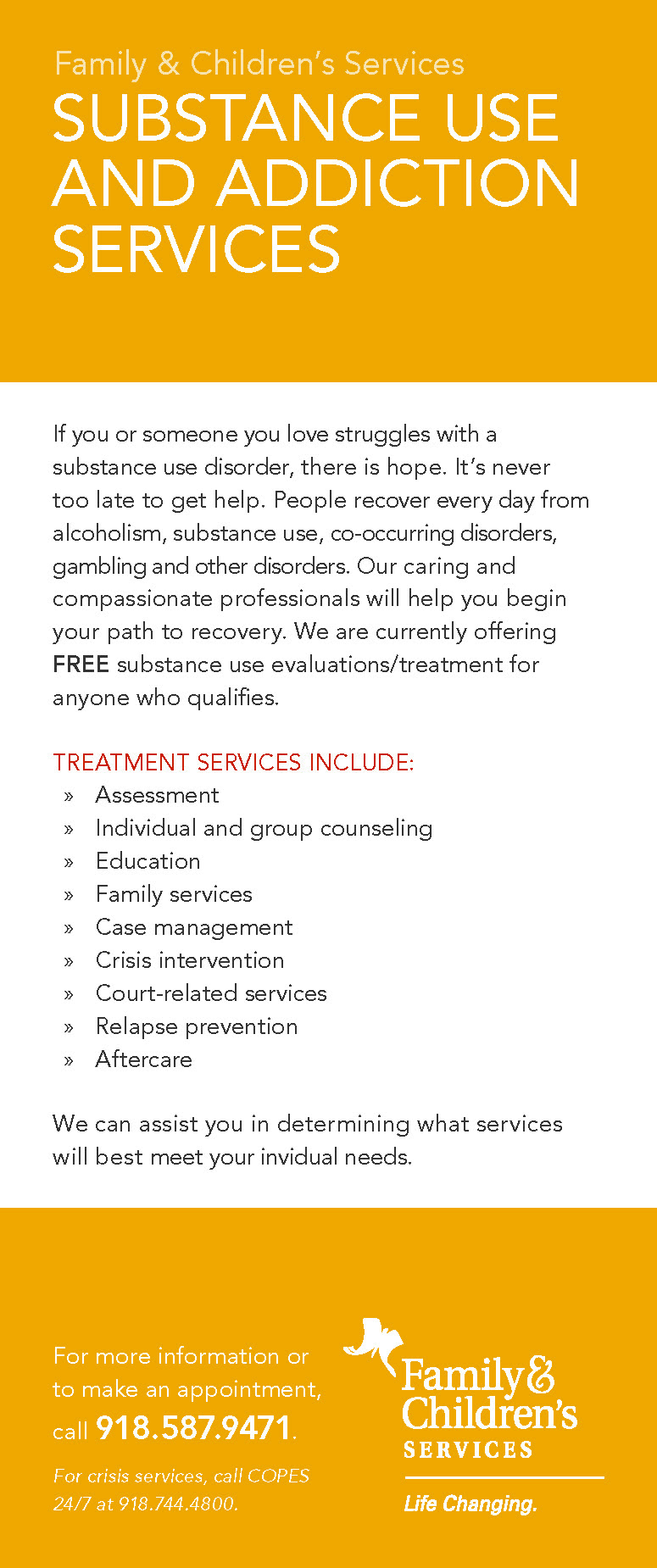
Rehabilitation centers offer a large range of solutions tailored to the unique demands of each patient. The objective is to develop a customized treatment plan that resolves physical, psychological, and social facets of recovery. The very first stage of most programs is clinical detoxification, where the body is cleansed of hazardous substances under specialist supervision. Detox assists handle withdrawal symptoms securely, leading the way for further restorative treatments.
Following detox, people normally relocate into therapy and counseling sessions, which form the core of dependency therapy. Specific treatment allows customers to function one-on-one with certified therapists to discover underlying issues, such as injury or mental health conditions that might have added to dependency. Group treatment, on the other hand, cultivates peer support and accountability. Sharing experiences with others who have encountered similar struggles helps people really feel comprehended and inspired.
Sorts Of Rehab Programs Available
Not all rehab programs are the same. Relying on the intensity of addiction, personal preferences, and life scenarios, individuals can pick from numerous kinds of rehabilitation programs. The most typical are inpatient, outpatient, and property therapy programs. Each offers distinctive benefits designed to provide to various levels of care.
Inpatient rehabilitation programs require people to stay at the treatment facility permanent, typically for 30, 60, or 90 days. This setting supplies day-and-night clinical and psychological assistance, eliminating disturbances and temptations from day-to-day life. Inpatient care is excellent for those with extreme dependencies or co-occurring psychological health problems, as it guarantees detailed guidance and intensive therapy.
Outpatient rehabilitation programs useful source offer even more versatility for people that can not commit to full time therapy. Participants go to treatment sessions a number of times a week while remaining to live in your home or keep work duties. Outpatient treatment is ideal matched for those with mild to modest dependencies or for those transitioning from inpatient treatment. It enables individuals to apply coping techniques in real-world setups while still getting expert support.
There are also specialized rehabilitation programs that satisfy particular groups, such as females, teenagers, or professionals. Some facilities incorporate faith-based methods, while others focus on all natural healing that integrates physical health and mindfulness methods (addiction treatment). Furthermore, luxury rehabilitation facilities give high-end features and private lodgings for those seeking convenience along with treatment. Despite type, the key purpose remains the exact same-- to guide individuals towards continual recuperation
Usual Factors Individuals Need Rehabilitation
Dependency does not occur overnight, nor does it have a solitary cause. Individuals look for rehabilitation for different reasons, anonymous frequently linked to both environmental and personal variables. Among the most usual factors is chronic stress and injury. Individuals who have experienced psychological or physical injury often turn to compounds as a coping mechanism. In time, this habits becomes habitual, causing dependence. Rehab assists these people process unsettled discomfort via treatment and psychological assistance.
An additional considerable reason is mental wellness disorders, such as clinical depression, anxiousness, or bipolar illness. When mental disease goes neglected, people may self-medicate utilizing medications or alcohol to leave their psychological distress. This dual-diagnosis circumstance calls for specific therapy that attends to both dependency and psychological health all at once. Rehab facilities outfitted with psychiatric treatment can help support these conditions through medicine management and therapy.
Social stress and environmental impact additionally play a significant function in Substance Abuse. Peer stress, family disorder, or exposure to habit forming compounds from a young age can make people more prone to dependency. For some, dependency begins innocently-- with prescription medication following an injury or surgery-- yet escalates right into abuse. Rehab supplies a structured and safe course to damage without these cycles. It empowers people to recognize triggers, build healthier habits, and re-establish control over their lives.
The Trip of Recuperation and Life After Rehabilitation
Healing does not finish the day a person finishes a rehabilitation program-- it's a lifelong procedure of development and self-discovery. Life after rehabilitation features challenges, yet also chances for renewal. Lots of people explain it as a "second chance" to cope with quality, function, and gratitude. The lessons found out throughout therapy, such as self-control, emotional recognition, and resilience, become the foundation for a meeting life devoid of addiction.
After leaving rehabilitation, individuals are encouraged to take part in aftercare programs and support networks. Normal attendance in group conferences or therapy sessions helps keep accountability and stops relapse. Sober living environments can likewise provide transitional real estate for those who require added framework prior to fully reintegrating right into culture - Inpatient rehab. Keeping a solid support group of family, buddies, and peers is essential for long-term success
Recovery opens the door to individual growth. Many individuals go after education, brand-new professions, or volunteer work as part of click here for more info their healing trip. They find out to manage stress with healthy outlets such as exercise, meditation, or creative hobbies. While regressions can occur, they are seen not as failings yet as possibilities to reinforce one's commitment to sobriety. Inevitably, drug abuse rehabilitation acts as the foundation for a life of liberty, balance, and objective.
Conclusion: Choosing Hope and Recovery
Substance Abuse rehabilitation represents even more than a treatment-- it represents hope. It is a bridge in between anguish and renewal, supplying individuals the chance to redeem their lives from dependency's grip. Via specialist treatment, structured treatment, and compassionate assistance, individuals can find their stamina and function. Understanding the services provided, the sorts of rehab readily available, the importance of recovery, and the reasons people need it offers quality for those looking for help or sustaining liked ones on their journey.
Selecting rehab is not an indication of weak point yet of courage-- the courage to confront pain, rebuild identity, and accept a brighter future. Recuperation is feasible, and with the right advice, every step toward recovery brings an individual closer to lasting freedom and tranquility.
Substance Abuse rehabilitation plays a vital function in aiding individuals overcome the struggles of addiction and rebuild their lives. The demand for rehab often arises when a person can no longer take care of daily obligations or preserve relationships due to Substance usage. Inpatient rehab programs need individuals to stay at the therapy facility permanent, typically for 30, 60, or 90 days. Outpatient rehab programs supply more adaptability for individuals that can not commit to full time treatment. After leaving rehab, individuals are encouraged to take part in aftercare programs and support networks.